

South Korea is preparing a 2027 budget that is expected to move above 800 trillion won, turning next year’s spending plan into a test of how aggressively the government wants to use public money to lift growth while funding social and regional priorities.
The government and the ruling Democratic Party agreed on August 25 to concentrate spending in five broad areas: artificial intelligence and three large national projects, future growth industries, support for young people, measures aimed at regional development and inequality, and public safety and security. Korean reports put the overall budget around or above 800 trillion won, with one regional report citing roughly 820 trillion won ahead of submission to the National Assembly.
Where the money is going
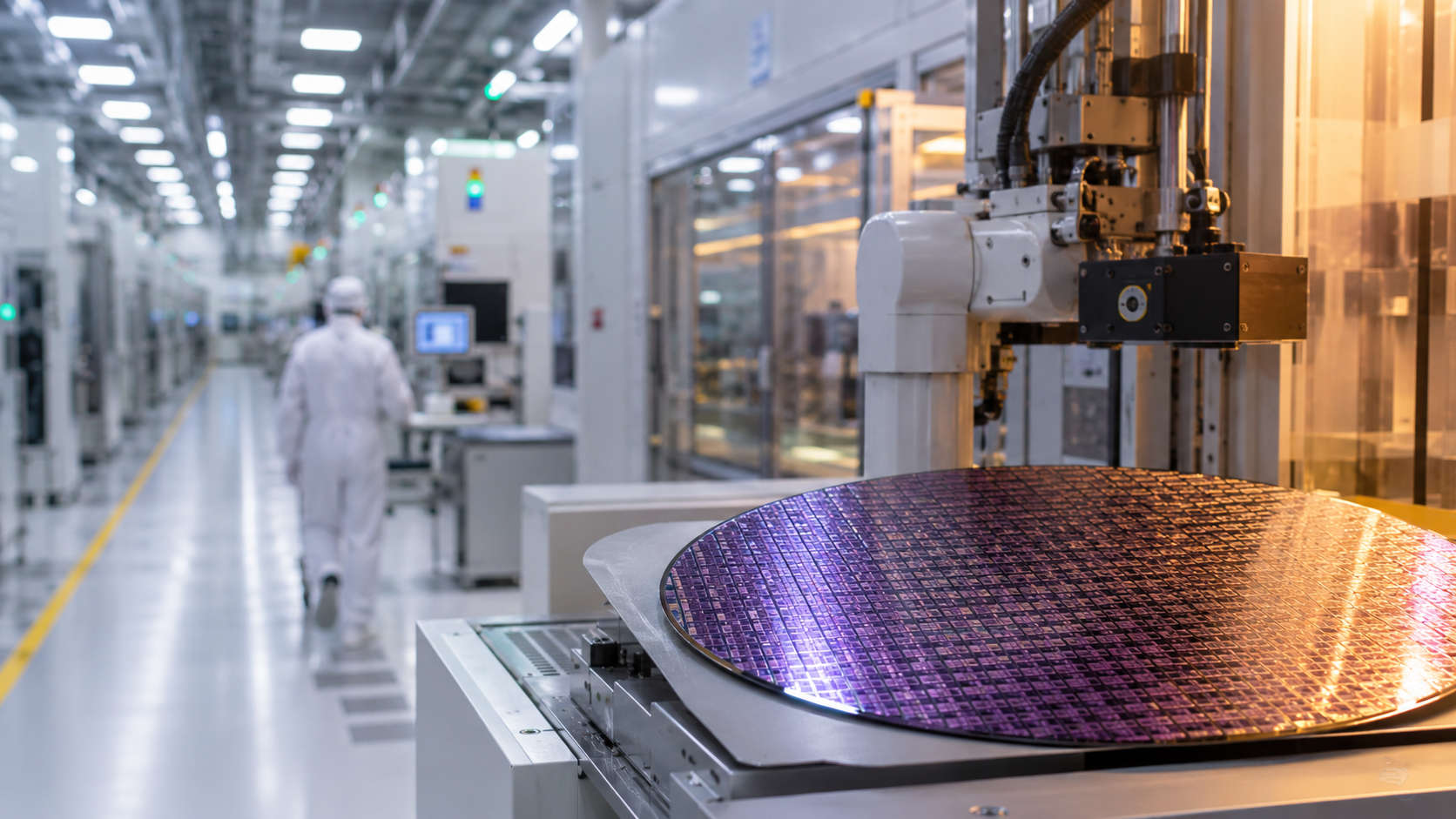
For households and businesses, the important question is not the round number but what changes inside it. The emerging plan includes a special account for the semiconductor sector, support for strategic industries such as aerospace and biotechnology, youth programs, and measures intended to strengthen regional universities and local investment. Kyunghyang Shinmun reported that the ruling party and government also discussed full tuition support at regional national universities, while the semiconductor account is meant to give major industrial projects a more dedicated funding channel.
The government’s stated rationale is growth. Budget officials have argued that Korea needs active fiscal policy at a time when potential growth has weakened and competition over AI, chips and other strategic technologies is intensifying. Park Hong-keun, the minister in charge of budget planning, said the goal is to help lift potential growth while spreading the gains across generations, regions and income groups. That makes the budget more than a collection of welfare and infrastructure programs. It is being presented as an industrial strategy as well.
That approach carries a real trade-off. A larger budget can accelerate infrastructure, research and skills investment when private demand is weak, but it also raises the bar for proving that individual programs have durable economic value. A Dong-A Ilbo editorial, while supporting the need for investment in advanced industries, warned that expansion loses force if money goes to projects with unclear returns or becomes untargeted cash support. That criticism is an editorial position rather than a neutral fiscal estimate, but it captures the scrutiny the government will face once lawmakers can see the full program list.
The scale is material. This year’s main budget was the first to exceed 700 trillion won, and current reporting points to another jump above 800 trillion won for 2027. The exact total is not yet the most useful number because the final proposal has not been filed, but the direction is clear: the government is choosing a visibly expansionary stance and tying much of the increase to technology, regional development and social support.
Where the choices land
There is also a local-government dimension. National priorities often determine which projects receive matching funds or central support, and regional governments are already positioning themselves for the next competition over national money. That is why transport, semiconductor clusters, universities and regional growth projects will matter beyond Seoul even if the headline debate focuses on the total budget size.
The next decisive document is the formal budget submission to the National Assembly. It will show how much money actually goes to each priority, what is new rather than relabeled existing spending, and how the government plans to finance the expansion. Parliamentary review will then reveal which parts of the strategy have broad support and which become bargaining points. Until those detailed tables are public, the 800-trillion-won headline is best read as a statement of ambition rather than a final accounting.
Details that will matter in the final bill
- The size and design of the semiconductor special account
- How much new money goes to AI and the three major national projects
- The scope of youth and regional-university support
- How the expansion is financed and what lawmakers cut or add