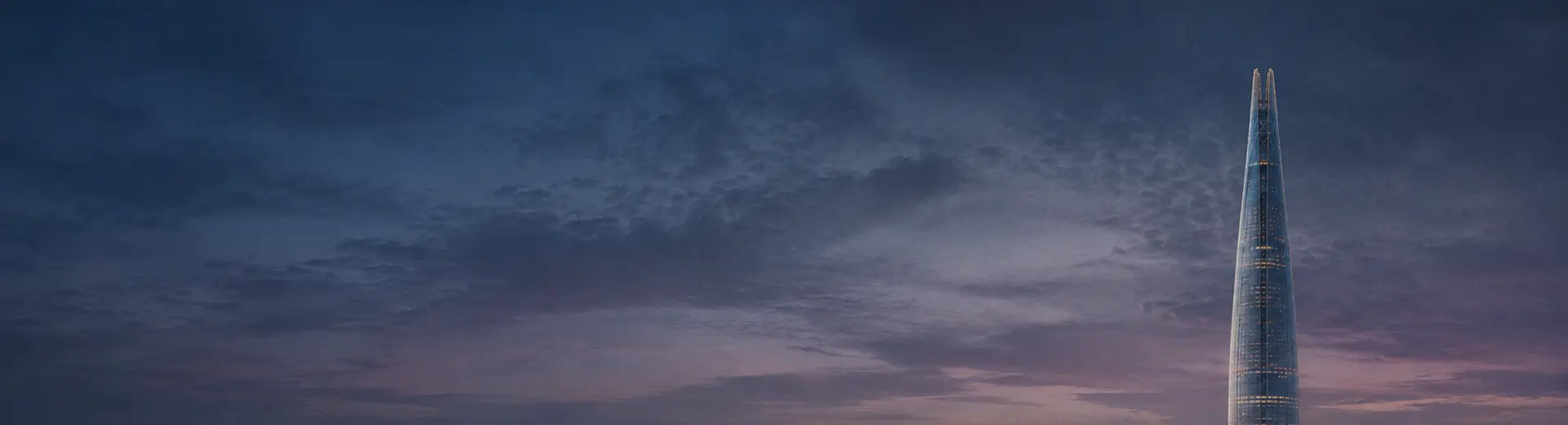

National Lighthouse Museum
Korea’s national lighthouse museum at Homigot, where historic navigation hardware, hands-on signal systems and a working 1908 lighthouse share one coastal site
Lighthouse history, navigation technology, maritime engineering, keeper culture, hands-on signal activities and family science learning
A multi-building museum complex beside Homigot Lighthouse with a main exhibition hall, artifact hall, experience spaces, outdoor displays, children’s facilities, café and seaside terraces
Few museum sites make their subject this tangible: the galleries explain aids to navigation while an active heritage lighthouse beside them still performs the job
The museum begins with a lighthouse that still works
Homigot Lighthouse first shone on 20 December 1908. The 26.4-metre octagonal tower was built from brick without reinforcing rods; six floors rise behind a white exterior, with pear-blossom emblems on the ceilings and 108 cast-iron steps inside. It remains an active aid to navigation on the cape
The museum grew from that object. After Homigot Lighthouse became Korea’s first lighthouse designated as cultural heritage, a museum was established in 1985 to preserve navigation equipment and records that were disappearing from everyday use. It reopened under the National Lighthouse Museum name in 2002, then expanded again in 2022. That same year, IALA named Homigot Lighthouse its Heritage Lighthouse of the Year, adding international recognition to a structure that was already protected at home
The lighthouse outside gives the museum its physical anchor. Its continued operation also explains why the history of Korean aids to navigation was gathered and preserved on this site
Navigation becomes a set of systems
The galleries move beyond lighthouse architecture into the equipment that lets a coast communicate with ships. Historic navigation-marker artifacts and keeper records sit alongside hands-on activities that teach younger visitors how lighthouse and navigational-marker systems work
Homigot itself provides a useful real-world reference. The lighthouse currently combines a white flash every 12 seconds with DGPS radio navigation and an air siren. Indoors, those categories can feel technical; outside, they become three different ways of sending position or warning information across sea and weather
The 2022 expansion added a new exhibition building and renovated the previous hall after a four-year project. Exhibition and education space roughly doubled, giving historic objects, science interpretation and family activities more room across the complex
The expansion made room for play as well as hardware
The experience hall goes beyond blocks and crafts. A touchscreen lets visitors create Morse code, and a ship-navigation simulator asks them to read aids to navigation while steering a vessel. The expanded complex also added an indoor children’s play area, café and seaside terraces
That family layer works best when it stays connected to the machinery. A lamp or signal pattern is easier to remember after a child has manipulated a model, and the historic lighthouse outside gives the activity a fixed physical reference
The museum also keeps the human side visible through records and material about lighthouse keepers. Keeper records add the people who maintained systems that had to work every night to the technical history of better lamps, signals and navigation equipment
Before you go
The indoor museum is most useful before the outdoor displays and Homigot Sunrise Square. The active lighthouse becomes more legible after the galleries have explained light, radio and sound as separate navigation systems
The museum and lighthouse form one coherent visit, with the galleries supplying context for the full-scale structure outside
- Hours
- Open 09:00–18:00; last admission 17:30. Closed Mondays, Lunar New Year’s Day and Chuseok Day; when Monday is a public holiday, the closure moves to the next weekday
- Admission
- Admission is free
- Access
- Accessible parking is available at the museum area, and wheelchair loan is listed for the Homigot visitor area. The main approach is broad and step-free
- Transit
- From Pohang Station, take bus 9000 to Homigot Square; the museum is about a five-minute walk from the stop