

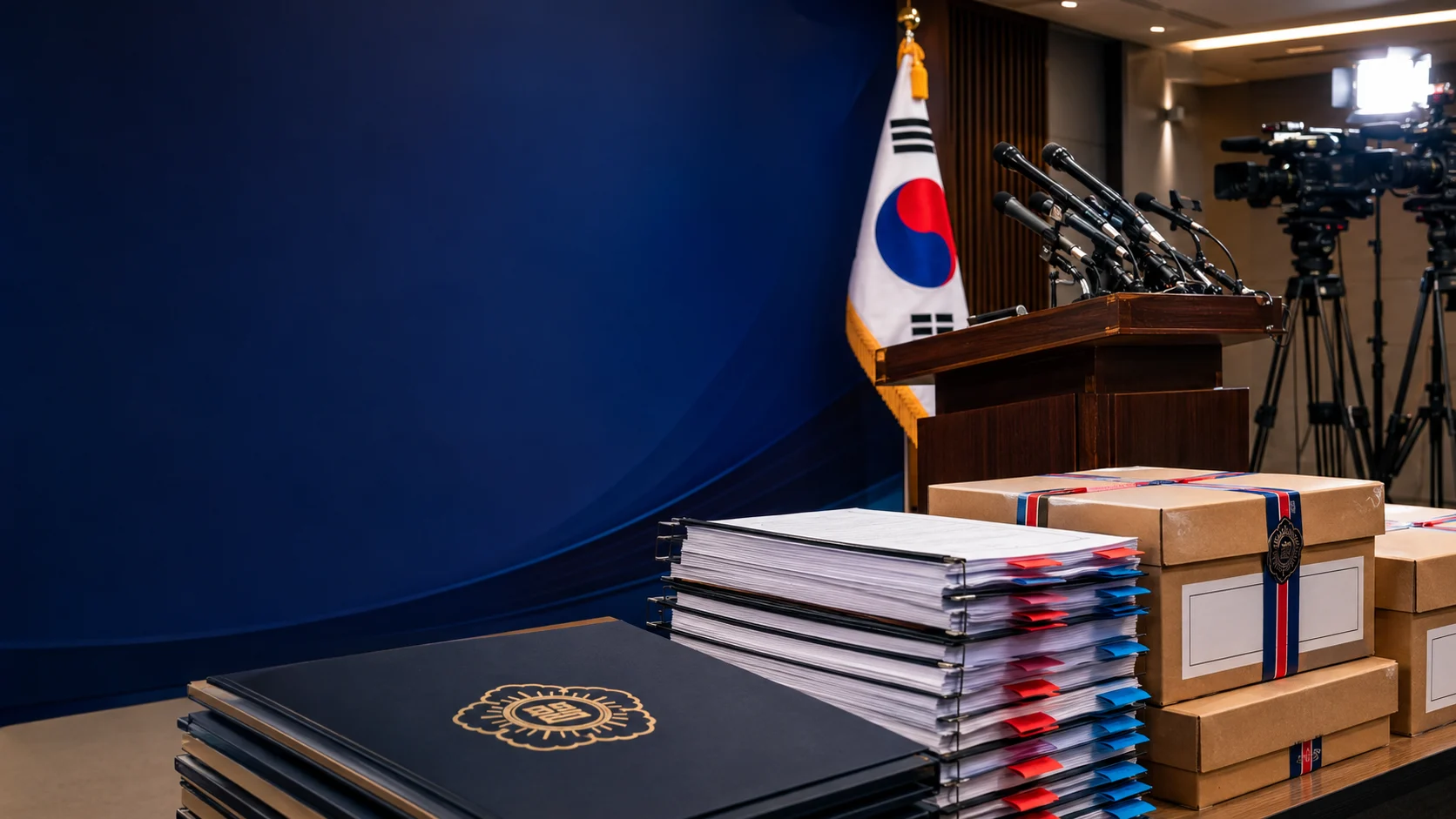
South Korea’s second comprehensive special-prosecutor team has completed its 180-day investigation after indicting 58 people, closing one of the country’s largest recent special-investigation efforts while leaving several major allegations unresolved.
The team led by special prosecutor Kwon Chang-young said it indicted seven people in custody and 51 without detention, including a corporate defendant. Korean reports say the list includes former President Yoon Suk Yeol, former first lady Kim Keon Hee and other political, military and government figures connected to cases that had remained after three earlier special investigations.
The number of indictments makes the investigation significant in scale. But the end of the statutory investigation period does not mean every major allegation has been resolved. Several cases, including parts of the Seoul–Yangpyeong expressway controversy and other investigations inherited from earlier special prosecutors, are being transferred to the National Office of Investigation or other authorities.
A large result, but not a complete ending
That distinction matters. The special prosecutor’s work now splits into two tracks: cases already charged will move through the courts, while unresolved files continue under ordinary investigative agencies. That means the political and legal consequences of the six-month probe are likely to last well beyond the formal end date.
The investigation also faces scrutiny over efficiency and results. Some Korean reporting has emphasized that the team operated with unusually broad authority, a large staff and a long mandate, yet still had to re-transfer several high-profile cases. Supporters can point to the 58 indictments and additional findings; critics can point to the unresolved files and the need for further investigation.
The final briefing on August 24 should provide the clearest official accounting of what the team believes it established, which cases it considers complete and which questions remain open. It will also matter how prosecutors maintain the cases already filed. An indictment is an accusation, not a conviction, and the courts will determine whether the evidence supports the charges.
What to watch next
- The final August 24 briefing and its official case-by-case accounting
- Early court rulings and detention decisions
- Which agencies receive unresolved cases
- Whether transferred investigations produce additional charges
For readers, the key point is that the special-prosecutor phase is ending, not the underlying legal process. The next chapter will be less about raids and investigative deadlines and more about trials, transferred case files and whether follow-up agencies can close the allegations the special prosecutor did not.