

Gyeongju National Museum
Gyeongju’s national museum for Silla archaeology and art, bringing material excavated across the ancient capital into one campus beside its major historic sites
Silla archaeology, royal-tomb finds, Buddhist art, palace material from Donggung and Wolji, conservation and research, special exhibitions and family museum programs
A multi-building museum campus with three principal permanent galleries, a Silla treasury, children’s facilities and an outdoor exhibition of monumental stone works and the Seongdeok bell
Gyeongju National Museum gives the city’s ruins their portable evidence back. Tombs, palace ponds and temple sites become far more legible when their goldwork, vessels, sculpture and ritual objects are seen together here
Character
Objects excavated from Cheonmachong, Donggung and Wolji, Hwangnyongsa and other Silla sites across Gyeongju meet again inside one museum campus. Gyeongju National Museum concentrates the material evidence of a capital whose tombs, palace sites and temple ruins remain scattered through the modern city
The permanent galleries divide that material by archaeological context. The Silla History Gallery draws heavily on royal tomb archaeology; the Silla Art Gallery brings together Buddhist sculpture, reliquaries and temple material; the Wolji Gallery is built from finds recovered at the former palace pond. Each gallery reconnects portable objects with places that can still be visited outside
The museum still functions as an archaeological institution. Research, conservation and new displays continue alongside the permanent collection, extending a role the Gyeongju branch has held since the first post-liberation excavations
The experience
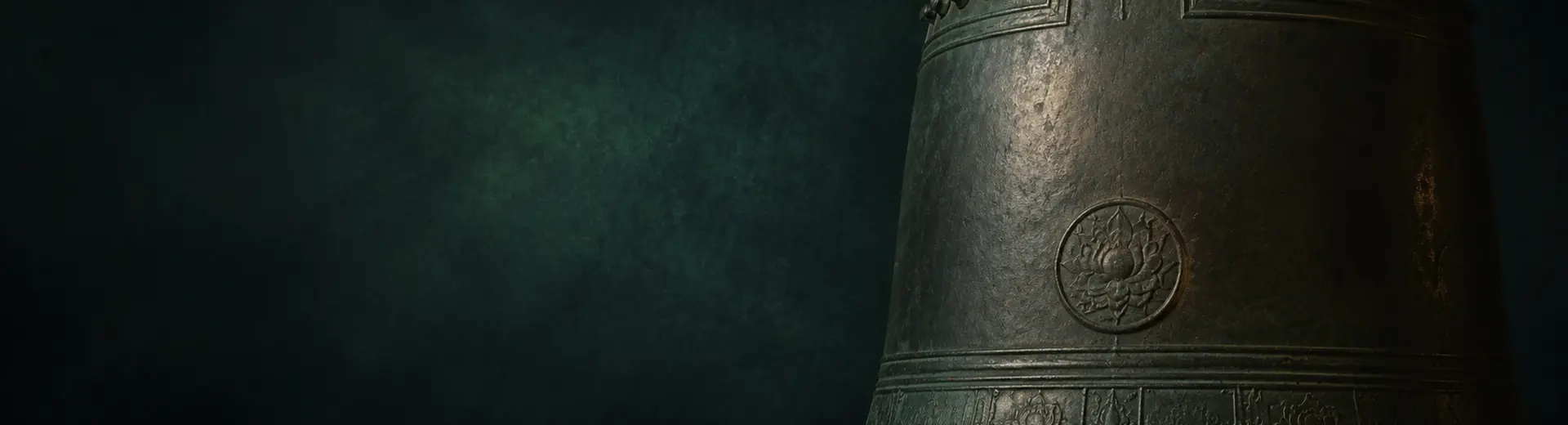
Three main permanent galleries give the visit its clearest structure: Silla History, Silla Art and Wolji. A separate Silla Millennium Treasury and the outdoor exhibition add another layer, with large stone works and the Sacred Bell of Great King Seongdeok extending the collection beyond the indoor cases
The galleries answer different questions. Tomb material shows rank, burial practice and goldworking; Buddhist sculpture and reliquaries trace religion and temple patronage; the Wolji objects move closer to palace life through tableware, architectural fittings, tools and luxury goods recovered from the pond. This makes the museum an essential companion to Gyeongju’s outdoor sites, where foundations and mounds often survive more clearly than the objects once used around them
The Wolji Gallery reopened after a major renovation in 2025 with 1,840 objects on display. Its scale makes the palace pond less abstract: a single archaeological site produced enough surviving material to fill a dedicated gallery with evidence of court life and craft
History
The institution began on 7 October 1945 as the Gyeongju branch of the National Museum, shortly after Korea’s liberation. In 1946 its staff participated in excavations of Houchong and Eunryeongchong, among the first archaeological investigations carried out after liberation
The museum moved from its earlier Dongbu-dong site to the present Inwang-dong campus in July 1975. Expansion followed the growth of archaeological research in the city: the Wolji Gallery opened in 1982, the art gallery in 2002, and the permanent galleries have since been repeatedly renewed as collections and conservation standards changed
The museum developed alongside modern Gyeongju archaeology. As excavations expanded, material from royal tombs, palace grounds and temple sites entered the collection, tying the institution’s growth to the rediscovery of the ancient capital
Before you go
The museum sits among Gyeongju’s main historic sites, close to Donggung and Wolji, Wolseong and the Hwangnyongsa site. Pairing one of those archaeological sites with the relevant gallery makes both easier to read, especially when the surviving outdoor evidence is mainly foundations, earthworks or reconstructed landscape
The outdoor exhibition remains accessible on museum closure days, so the Sacred Bell of Great King Seongdeok and major stone works can still be seen when the indoor galleries are shut
- Hours
- Open 10:00–18:00; Saturdays from March through October extend to 20:00. Last entry is 30 minutes before closing. Closed January 1, Seollal and Chuseok
- Admission
- Permanent galleries and the Children’s Museum are free; some special exhibitions may charge separately
- Access
- The outdoor exhibition remains accessible on regular museum closure days; group and children’s programs may use separate reservation systems
- Transit
- From Gyeongju KTX Station, bus 711 stops at the museum; bus 700 stops at Donggung and Wolji, about a 3-minute walk away