Korea tests its ambitions as trade pauses and security hardens
Seoul delayed a Pacific trade bid while unveiling vast green financing and new defense capabilities, as financial breaches and gaps in public services tested trust closer to home.


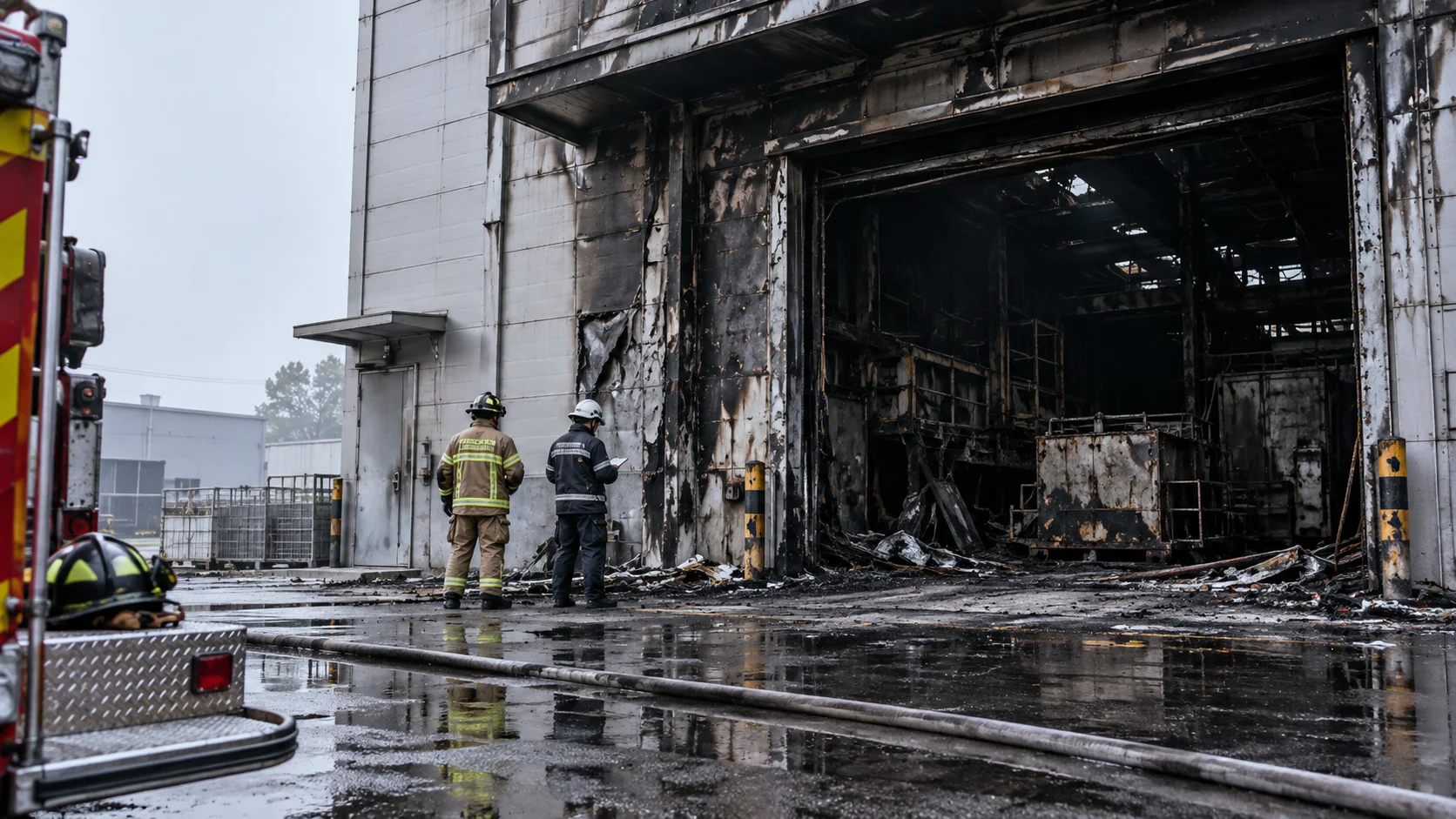
Fatal violence and a firefighter's death exposed gaps in protection while a market plunge, missile tests and data breaches tested other systems people rely on.
Seoul delayed a Pacific trade bid while unveiling vast green financing and new defense capabilities, as financial breaches and gaps in public services tested trust closer to home.
A new prosecution system moved from law to daily operations as DMZ evidence hardened, North Korea launched another missile, financial hacking widened and economic indicators pulled in different directions.

A huge public-housing plan met higher borrowing costs and a divided property market, while prosecution reform reached staffing decisions and AI moved into public services, hiring and fraud controls.
A renewed global tightening cycle hit Korean borrowing conditions as two cabinet nominations collapsed, labor bargaining spread from Seoul buses to steel, and the Chuseok holiday turned food, fuel and public services into a household policy test.

A possible Hormuz mission became an energy-security problem at home, oil broke $100, U.S. investment moved toward power projects, and labor and reform pressures widened.

The government moved from reshuffling ministers to restructuring institutions, exports broke records while household pressure persisted, and a policing failure exposed a wider missing-person problem.
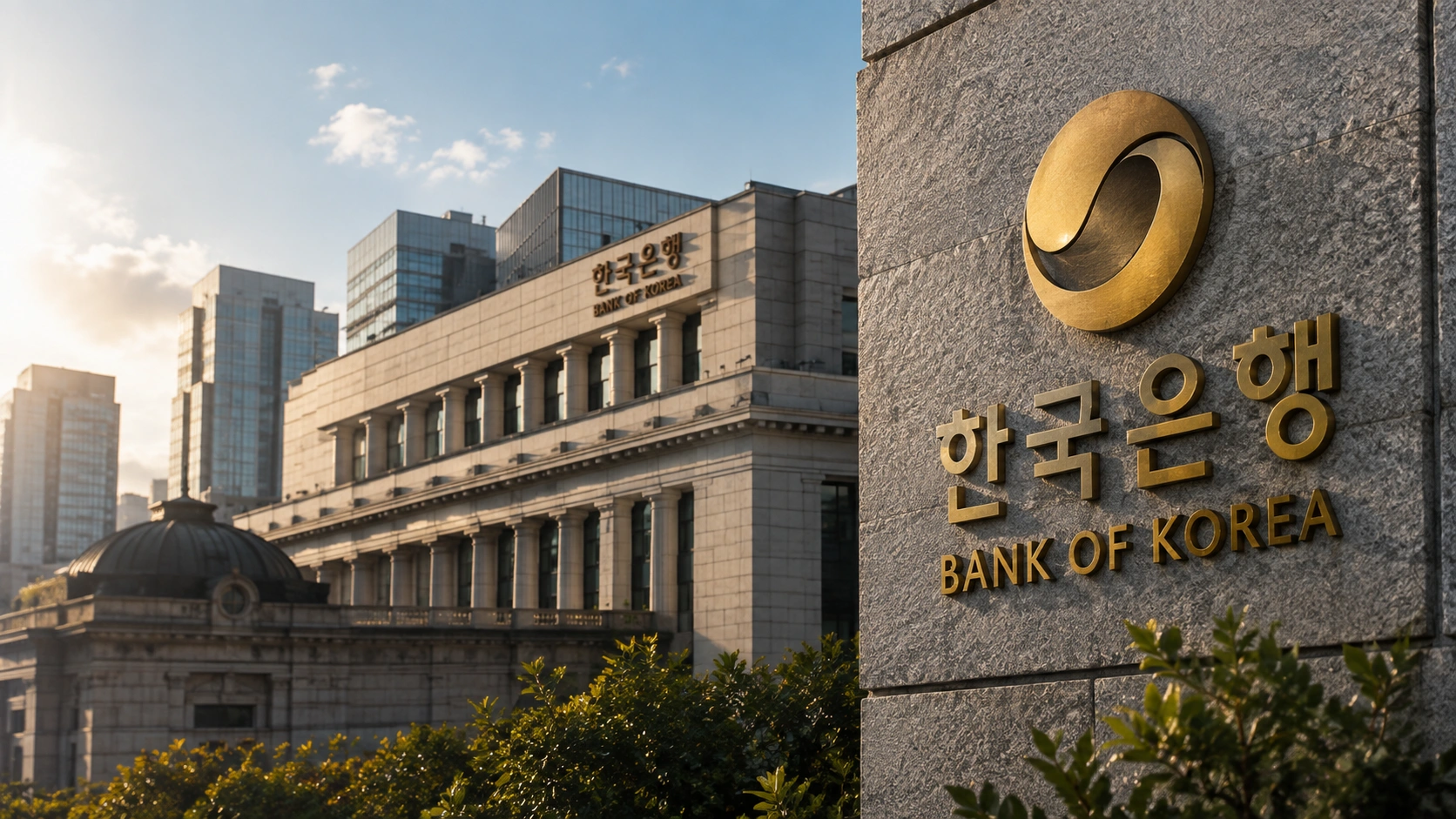
The Bank of Korea tightened again while the government prepared a larger fiscal program, a Jeju policing scandal became a national accountability issue, and regional-growth policy moved from slogans toward prices and infrastructure.

Household debt crossed a historic threshold as chip stocks surged, renewed diplomacy with North Korea ran into missile launches, and record rain followed a prolonged heat emergency.