

National Folk Museum of Korea
A national museum inside Gyeongbokgung devoted to the material culture and recurring practices of Korean everyday life, from seasonal work and household objects to family rites
Permanent exhibitions on everyday material culture, seasonal customs and life-cycle rites, plus outdoor folk architecture, special exhibitions, education and collection-based research
Three permanent galleries and an outdoor exhibition occupy the northeastern edge of Gyeongbokgung in the monumental 1972 building first constructed for the National Museum of Korea
The building carries a second history alongside the collection: constructed in 1972 as a monumental national museum, it has framed Korea’s everyday material culture since 1993 and is now approaching another institutional move
Character
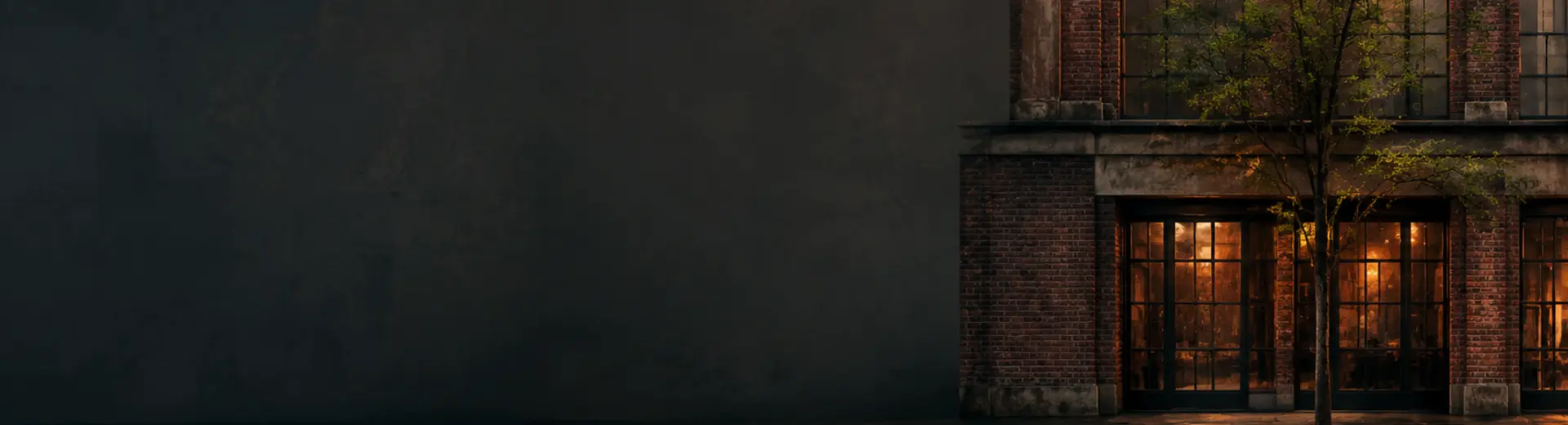
The National Folk Museum occupies the 1972 building constructed for the National Museum of Korea, a monumental modern interpretation of traditional timber architecture inside Gyeongbokgung. Since 1993, that inherited shell has held collections about tools, homes, seasonal routines, family rites and the material systems of ordinary life
The permanent galleries run on three different clocks. The Beginning of K-Culture starts with durable objects and habits such as jige carrying frames, homi hand hoes, onggi jars and hanji paper, tracing older forms into contemporary Korean culture. A Year in Korea follows the agricultural and ritual calendar from the first lunar month through winter. Korean Life Passages follows one human life through birth, coming of age, marriage, family and death
The outdoor exhibition restores scale that display cases remove. Ochondaek, a house built in 1848 and transferred from Yeongdeok, stands among village markers, agricultural equipment and reconstructed streets. Objects encountered indoors reappear as parts of houses, work and settlement, restoring relationships that a display case necessarily compresses
The experience
Gyeongbokgung and the folk museum describe different levels of the same society. The palace lays out royal government and ceremony in gates, courts and halls; the museum works through storage jars, clothing, farm tools, domestic rooms and family ritual. The inherited national-museum building makes that shift unusually visible because monumental architecture now contains a collection built around ordinary use
Each gallery also changes the organizing question. The seasonal gallery follows work, food and ritual through the year. The life-cycle gallery links ceremonies from birth through death. The first gallery follows functional objects into modern cultural continuity. Together they create three parallel ways of arranging everyday culture, each with its own chronology
Outside, reconstructed streets and relocated buildings make the collections easier to read spatially. Ochondaek matters because it is an actual nineteenth-century house transferred from Yeongdeok; its rooms return domestic scale to objects seen indoors. The open-air material also breaks up a gallery-heavy visit and keeps the museum physically connected to the palace grounds around it
History
The institution began immediately after liberation. The National Museum of Ethnology was founded on 8 November 1945 and opened the following April, then merged into the National Museum in December 1950. Folk culture returned to Gyeongbokgung as a distinct museum project in stages: the Korea Folk Pavilion opened in Sujeongjeon Hall in 1966, followed by the Korean Folk Museum in another palace-ground building in 1975
The present building entered the story from another direction. The National Museum of Korea moved into the newly constructed structure in 1972. Its design deliberately reproduced the visual language of major historic wooden architecture, giving the postwar national museum a monumental traditional image inside Gyeongbokgung. The National Folk Museum moved into the former National Museum building on 17 February 1993
The institution later expanded beyond one home. National Folk Museum of Korea, Paju opened in 2021 as a collection-centered facility outside Seoul. The next shift is larger: The Korea Times reported in 2025 that the main museum is due to join the National Museum Complex in Sejong by 2031. Ahead of that move, the institution has also been expanding its comparative world-folk collection
Before you go
The museum sits within the Gyeongbokgung precinct but is reached from its own Samcheong-ro entrance. Museum admission and palace admission are separate, so the collection can be visited without buying a palace ticket. The permanent galleries, outdoor exhibition and palace around them support very different visit lengths; a museum-only stop can stay compact, while all three galleries plus the outdoor displays readily fill a longer session
- Hours
- March–October 09:00–18:00, with Wednesday opening to 20:00; November–February 09:00–17:00. Last admission is one hour before closing. Closed January 1, Seollal and Chuseok
- Admission
- Museum admission is free. Gyeongbokgung Palace requires a separate paid ticket
- Access
- General exhibitions and regular guided tours do not require online pre-reservation. The Children’s Museum requires online pre-reservation
- Transit
- Anguk Station (Line 3), Exit 1 is about a 15-minute walk. Neighborhood bus 11 stops at the museum front gate. The museum has no parking lot