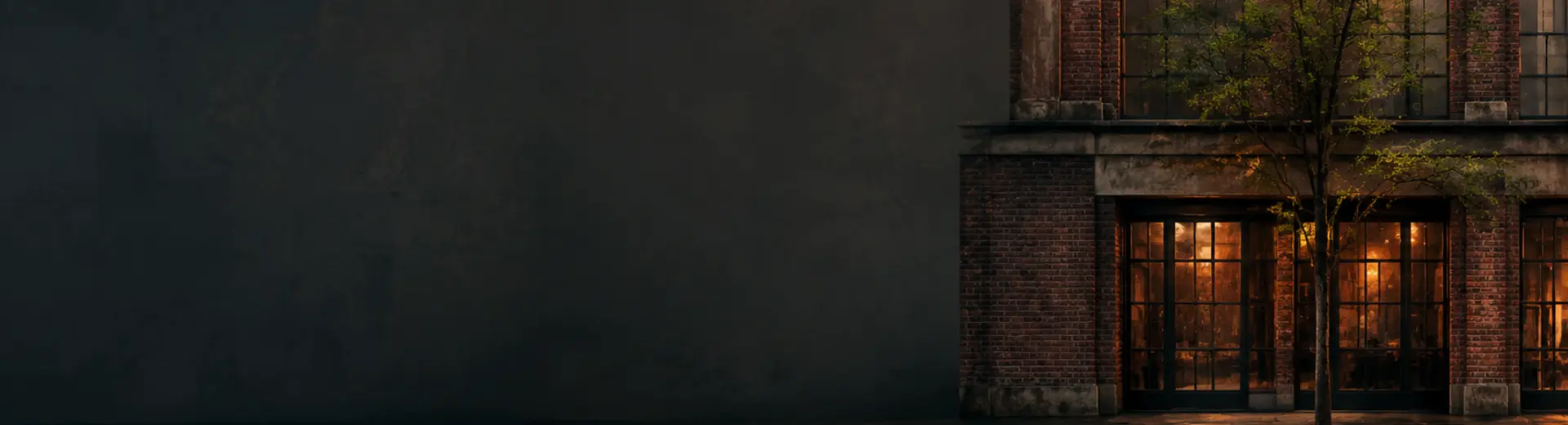


Sudeoksa Temple
A major Seon monastery on Deoksungsan centered on a precisely dated 1308 wooden Daeungjeon and an active training complex shaped by Korea’s modern Seon revival
Goryeo wooden architecture, Korean Seon Buddhism, monastic history, temple art, mountain temple grounds and modern Buddhist cultural history
A compact public temple core on Deoksungsan centered on Daeungjeon, with museums and Sudeok Inn near the lower approach and active Seon hermitages extending farther up the mountain
Sudeoksa’s importance rests on unusually exact evidence and continuing practice: a document found inside Daeungjeon fixes the hall to 1308, while the institutions around it became a major base for the modern revival of Korean Seon
Character
During a 1937 repair, workers dismantling Sudeoksa’s Daeungjeon found a written record inside the building that dated its construction to 1308. The discovery turned an already ancient wooden hall into an unusually precise architectural reference: its age could be tied to the timber frame standing in front of them
Daeungjeon is three bays wide and four bays deep beneath a simple gabled roof. Its column-top bracket system and exposed structural timber preserve a Goryeo solution in wood, and the exact date gives those details chronological weight. Korea Heritage Service classifies the hall as a National Treasure and places it among the country’s most important surviving wooden buildings
Around that hall, Sudeoksa functions as Deoksung Chongnim, one of the Jogye Order’s comprehensive monastic training centers and the headquarters of its seventh district. The institutional geography continues up Deoksungsan through Seon halls and hermitages associated with the late nineteenth- and twentieth-century revival led by Gyeongheo and his disciple Mangong
The experience
The public temple remains compact enough for Daeungjeon to dominate the architectural reading. Its side elevations expose the roof structure clearly, while the front court keeps the old hall close to later temple buildings still used by an active Buddhist community. The interest is concentrated in the construction itself: posts, brackets, roof mass and the surviving timber frame carry more historical information than ornamental scale
A different twentieth-century layer sits near the approach. Painter Lee Ungno bought Sudeok Inn in 1944 and worked there before leaving for France in 1959. After his imprisonment in the East Berlin affair, he returned in 1969 and carved two abstract works into rocks beside the inn. The house and the nearby Seon Art Museum place modern Korean art inside the temple’s wider cultural orbit
The monastic landscape extends beyond the public core. Jeonghyesa Neunginseonwon lies farther up Deoksungsan, and Gyeonseongam became a major women’s Seon community. Monks and nuns continue training in buildings above the public core, so Sudeoksa’s institutional footprint extends up Deoksungsan
History
Sudeoksa’s earliest foundation chronology is less exact than the date of its main hall. Temple tradition places its origins in the Baekje period, while surviving documentary evidence becomes firmer much later. Daeungjeon was completed in 1308, giving the temple a secure medieval anchor inside an otherwise less certain early chronology
The temple acquired another national role during the modern revival of Seon. Gyeongheo established a strong practice lineage on Deoksungsan in the late nineteenth century. Mangong, his disciple, rebuilt Sudeoksa in 1898 and developed the mountain into a center for intensive Seon training, drawing monks, nuns and lay supporters around the temple
Women’s practice became an important part of that network. Mangong supported Gyeonseongam as a bhikkhuni Seon hall. Kim Il-yeop, already known as a writer and women’s activist before ordination, received her Buddhist name from Mangong and spent nearly three decades leading and practicing with nuns at Gyeonseongam. The history gives Sudeoksa a significant place in the institutional development of women’s Korean Seon
In 1937, Mangong directly challenged Governor-General Minami Jiro over colonial policy toward Korean Buddhism. After Liberation, the teaching community he built remained on Deoksungsan. The present Chongnim continues that training system through Seon practice, doctrinal study and monastic discipline
Before you go
The main temple and the mountain Seon complex are different scales of visit. Daeungjeon sits in the public core; Jeonghyesa Neunginseonwon lies roughly two kilometres and about 1,080 steps farther up Deoksungsan and remains an active practice area
- Hours
- Main temple 09:00–17:30. Buddhist museum 10:00–16:00, closed Monday (lunch 11:20–12:30); Seon Art Museum 09:00–17:00, closed Tuesday (lunch 11:20–11:50)
- Admission
- Temple admission is free. Parking is charged separately: compact cars 2,000 won, standard passenger cars 4,000 won and large vehicles 8,000 won
- Transit
- Local buses from Hongseong or Yesan intercity bus terminals reach Sudeoksa in about one hour; the temple’s Templestay directions also list taxi connections from both terminals and stations