

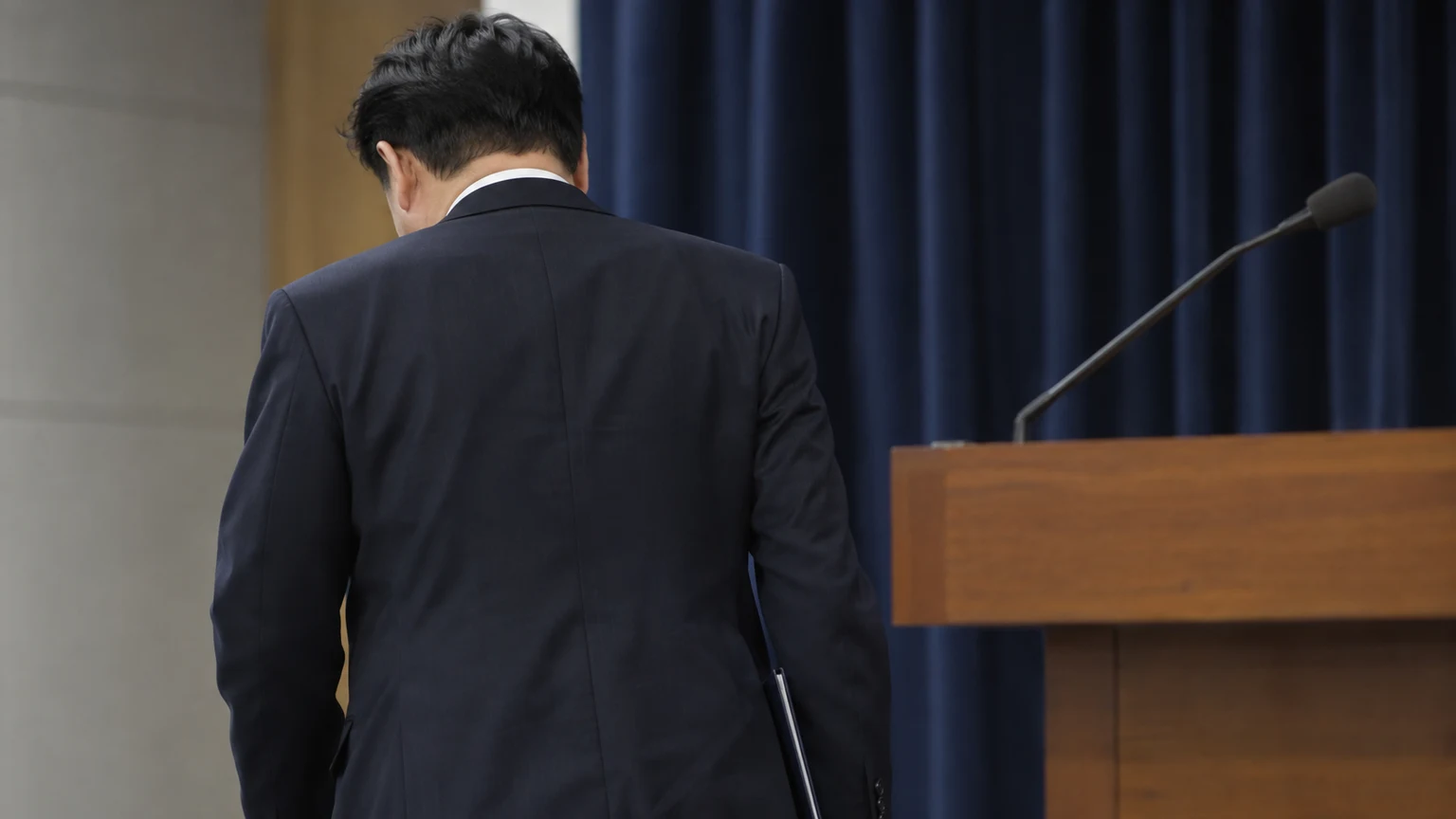
Kim Seung-won withdrew as South Korea’s justice minister nominee on September 19, ending a 20-day nomination that had moved through a confirmation hearing but never reached appointment. Kim announced the decision at the National Assembly, saying he had concluded that stepping aside was better than adding to the government’s burden. The presidential office responded that it respected his decision and understood it as an effort to reduce pressure on the administration. The withdrawal sends the Justice Ministry appointment back to the starting line at a time when the government is already reviewing how it screens senior nominees.
The timing made the departure more than a routine personnel change. President Lee Jae-myung had said only a day earlier that he would make a careful decision on Kim’s appointment while taking public expectations into account. Kim said he firmed up his decision after watching that press conference. Two days before the withdrawal, the National Assembly’s Legislation and Judiciary Committee had adopted Kim’s confirmation report, and reporting at the time still described the administration as moving toward appointment. Within roughly 48 hours, that expectation had been reversed.
A reversal after the confirmation process
The episode also widens the personnel problem created by the six-ministry reshuffle announced on August 30. Kim was one of six ministerial nominees named in that reshuffle and is the second of the group not to reach office. President Lee had already acknowledged shortcomings in the personnel-verification system and said it would be reexamined. Kim’s departure the following day makes that review immediately consequential: the administration must find another justice minister candidate while showing that its vetting process can avoid another late-stage collapse.
For the presidential office, the immediate task is procedural rather than rhetorical. Its public response did not name a replacement or set a timetable. It said follow-up steps would proceed under the established rules. That leaves the Justice Ministry without the intended appointee and creates a new round of screening, nomination and confirmation work. Any successor will enter a process that is likely to be judged against both the issues that derailed this nomination and the president’s promise to revisit the broader personnel system.
Kim’s own explanation focused on responsibility to the government and the gap between his nomination and public expectations. The verified reporting supports the chronology of his nomination, the confirmation process, the president’s public hesitation and the final withdrawal. It does not establish the more speculative explanations that circulated afterward, so those claims are not necessary to explain why the story matters. The confirmed sequence already shows a nomination that went from expected appointment to resignation in a matter of days.
Attention now turns to the administration’s choice of a replacement and the way that candidate is vetted. The presidential office has committed only to following the required procedures, so there is no confirmed date for a new nomination. Until then, the larger significance lies in whether the government’s promised personnel-system review produces a visibly different process. A second failed nominee in the same reshuffle has turned an individual withdrawal into a broader measure of how the administration handles senior appointments.