

The abolition of South Korea’s prosecution service became an operational reality on October 2, when the Prosecution Office and the Serious Crimes Investigation Agency opened under a system designed to separate prosecution from investigation. The Prosecution Office inherited indictment and courtroom duties, while the new investigative agency took responsibility for corruption, economic crime and other designated serious offenses. Yet both institutions began work without permanent chiefs, and scenes from their first day showed that the legal change had moved faster than some of the procedures needed to support it.
- Launch date
- October 2, 2026
- New institutions
- Prosecution Office and Serious Crimes Investigation Agency
- Core change
- Prosecution and serious-crime investigation were assigned to separate institutions
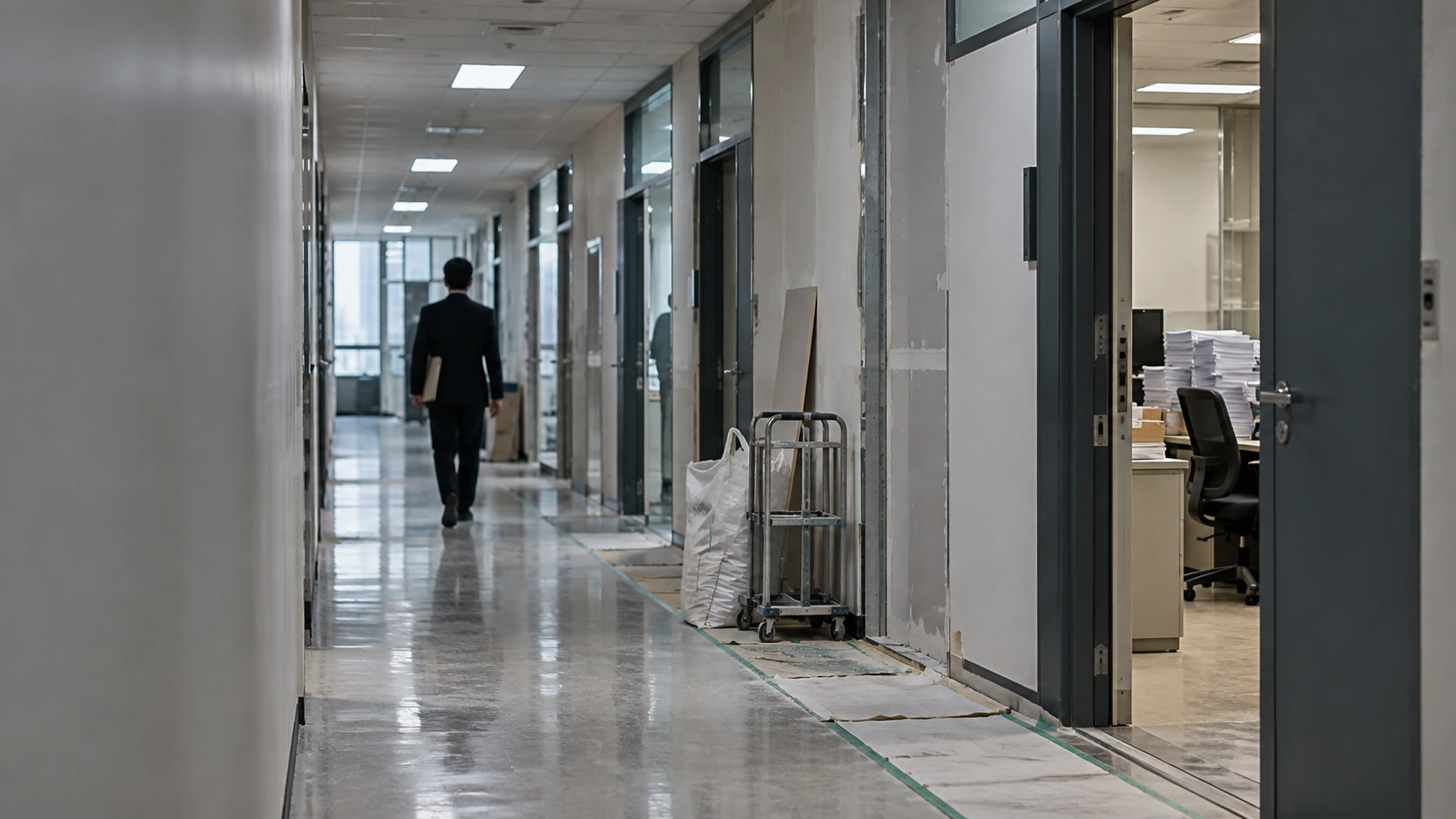
At the Serious Crimes Investigation Agency, employees arrived at unfamiliar offices and found that construction had not been completed in some areas. Members of the public also appeared to submit complaints and accusations as soon as the civil service desk opened. Staff did not have a standard receipt ready in at least one reported instance, so an official stamped the cover of a complaint instead. The improvised response was minor in form but significant in practice: a person handing sensitive allegations to a newly created agency needs clear confirmation of where and when the filing entered the system.
The institutional split exposed unfinished procedures
The disruption exposed the practical difficulty of dividing functions that had long operated inside one organization. Under the new arrangement, complaints that once could be filed with the prosecution service must instead go to an investigative body such as the police or the Serious Crimes Investigation Agency. The Prosecution Office must then focus on decisions to indict and on maintaining cases in court. That division depends on reliable transfers of records, consistent filing rules and an agreed understanding of who is authorized to act at each stage.
The institutions also opened under interim leadership. Acting Prosecution Office chief Lee Jung-hyun told a closed opening ceremony that the organization had to demonstrate its reason for existing and restore public trust. The Serious Crimes Investigation Agency held a more visible ceremony, but its top position also remained vacant. President Lee Jae-myung approved a request for a confirmation hearing for Kim Ji-yong, the nominee to become the agency’s first chief. The National Assembly is expected to complete the hearing process within 20 days of receiving the request.
Leadership matters because the early problems are not limited to signs, offices or paperwork. The agencies must establish working relationships with police, special prosecutors and courts while active investigations and trials continue. Decisions about personnel, delegated authority and case handovers can affect whether filings are accepted, whether prosecutors are recognized in court and whether proceedings remain on schedule. Until permanent leaders are installed, acting officials must resolve those questions while also building the institutions they have been assigned to run.
Courtrooms became the first major legal test
The most consequential uncertainty surfaced in court. In a trial concerning alleged favoritism in the relocation of the presidential residence, the Seoul Central District Court questioned whether prosecutors who had been dispatched to a special counsel team while employed by the former prosecution service still possessed valid authority after the Prosecution Office began operating. The court said the legal basis for continuing the dispatch did not appear clear, ended the hearing after about 12 minutes and moved the scheduled conclusion to October 16.
A separate appellate hearing involving Seoul Mayor Oh Se-hoon proceeded differently. That court also raised the status of a dispatched prosecutor, but it did not postpone the proceeding and instead allowed an assistant special prosecutor to conduct the argument. The contrasting responses show how the same institutional transition can produce different immediate outcomes when courts lack a settled interpretation. One case lost time, while another continued through an alternative representative.
The first-day confusion does not by itself determine whether the new system will succeed. It does identify the points at which implementation will be tested: standardized public filing procedures, completed workplaces, valid personnel assignments, uninterrupted case transfers and consistent courtroom authority. The next signals will come from the confirmation process for the first investigative chief, guidance on dispatched prosecutors and whether delayed proceedings resume without further disputes. For citizens, defendants and victims, the central measure will be whether separating investigation from prosecution improves accountability without making access to justice slower or less certain.