

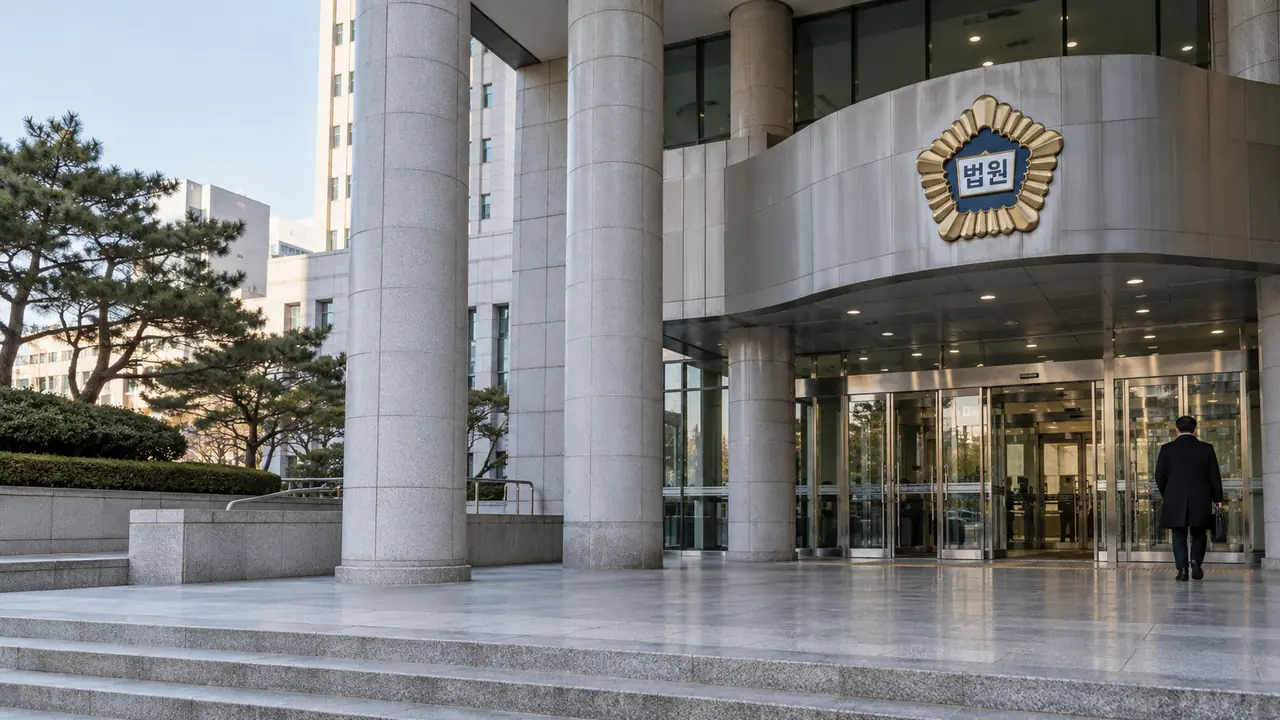
Police have referred four people, including former lawmaker Yoo Seung-min and Incheon National University President Lee In-jae, over allegations that the university’s hiring process was improperly influenced when Yoo’s daughter, Yoo Dam, was appointed as a professor. The Incheon Metropolitan Police Agency investigated whether the university’s appointment work was obstructed during the recruitment process for the 2025 second semester. Lee and one university professor were also referred on allegations of violating the anti-graft law, according to Maeil Shinmun.
The referral now places the allegations before prosecutors. The allegations have moved from a police investigation to prosecutorial review, while the appointment has become a renewed focus of the National Assembly’s Education Committee audit. Referral does not establish guilt, and the evidence cited by police has not yet been tested through a final prosecutorial or court decision.
The referral raises the legal stakes
The central legal issue is whether anyone used improper influence to interfere with the university’s appointment process. That is narrower than the political argument over whether the hiring appeared suspicious because the successful candidate was the daughter of a prominent former lawmaker. The additional anti-graft allegations involving Lee and another professor create a separate question about whether prohibited solicitation or related conduct occurred.
- Investigating agency
- Incheon Metropolitan Police Agency
- People referred
- Four people, including Yoo Seung-min and Lee In-jae
- Core allegation
- Obstruction involving a university faculty appointment
- Additional allegation
- Anti-graft violations involving Lee and one professor
At the parliamentary audit, Democratic Party lawmaker Ko Min-jung challenged Lee over his testimony at the previous year’s audit. Ko noted that Lee had answered affirmatively when asked whether there had been no problem with the recruitment case, then asked whether he maintained that position. Lee said his position had not changed. Ko responded that his account appeared substantially different and said she would watch the investigation’s outcome.
Democratic Party lawmaker Baek Seung-a said the concerns raised during the previous audit had ultimately been borne out and pledged to examine whether Lee had given false testimony. People Power Party lawmakers rejected that interpretation. Lee In-sun warned that treating an otherwise normal recruitment process as suspect could produce reverse discrimination and accused police of acting politically. Seo Beom-su stressed that the referral was not a final determination.
Specific evidence will determine the next stage
Yoo has also denied wrongdoing, describing the case as a political investigation and saying authorities were trying to impose a crime that did not exist. His response places the dispute on two separate tracks: the legal review of the recruitment process and the political argument over the investigation’s motivation. Claims about political intent do not resolve the alleged interference, just as a police referral alone does not prove it.
- A police referral is not a finding of guilt
- The obstruction allegation requires evidence of improper interference
- The anti-graft allegations apply separately to two of those referred
Prosecutors must determine whether the case file contains specific evidence connecting the referred individuals to actions that improperly altered or disrupted the appointment process. Prosecutors will also need to assess the separate basis for applying anti-graft allegations to Lee and the other professor. Without that distinction, political debate risks collapsing different allegations and different levels of responsibility into a single claim of favoritism.
For Incheon National University, the controversy increases scrutiny of how faculty appointments are documented and defended. For Yoo, Lee and the other referred individuals, the next consequential step is whether prosecutors act on the police referral. For lawmakers, the audit dispute will turn on whether Lee’s earlier testimony can be reconciled with the investigative record. Until those questions are resolved, the case remains an allegation under review rather than a finding of criminal responsibility.