

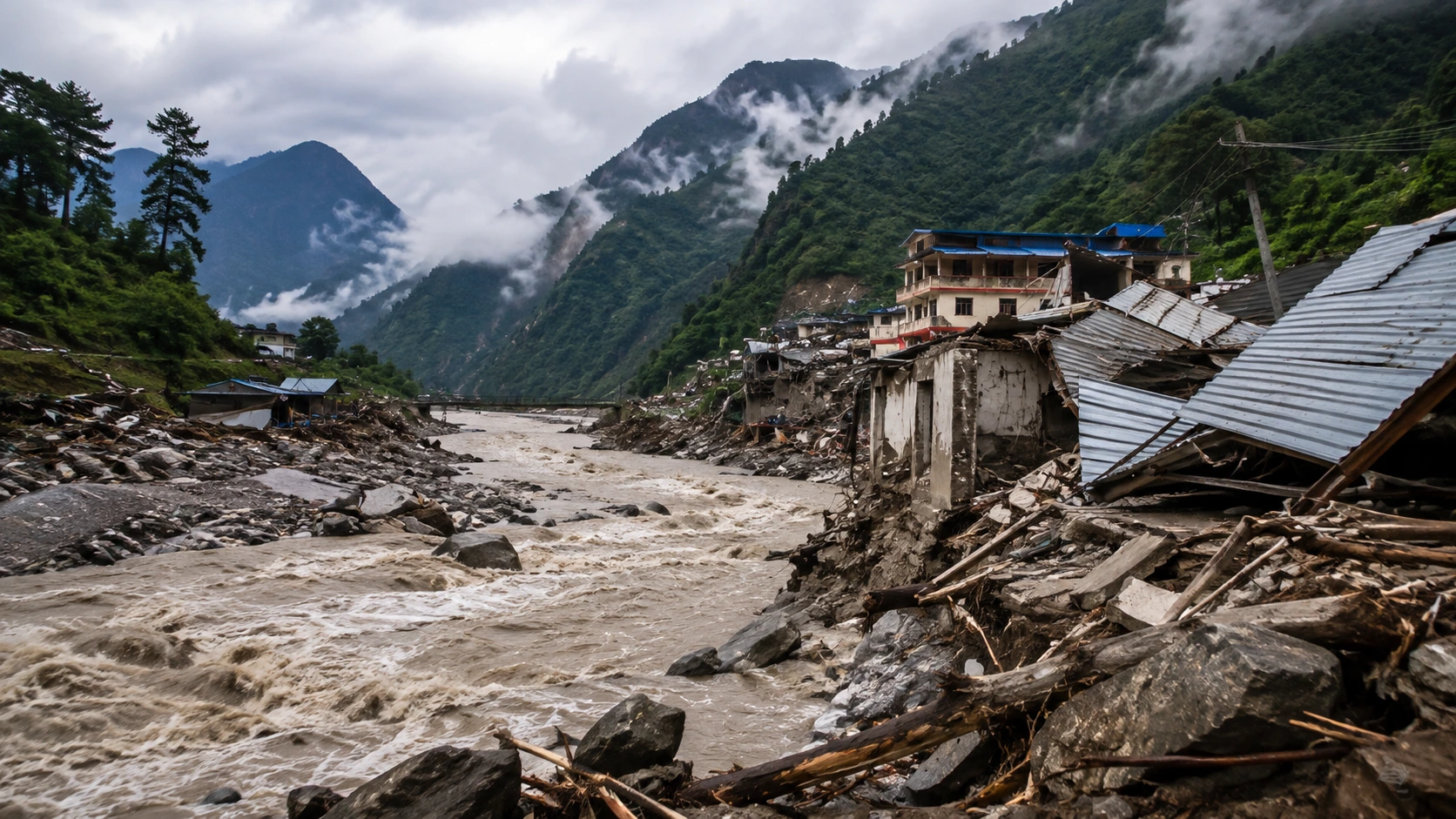
Nine South Koreans remained out of contact in Nepal after a devastating flood struck the mountainous Rasuwa region near the Chinese border, while 10 other Korean workers who had been stranded in the same disaster zone were confirmed safe. Seoul is sending a government rapid-response team as Nepali authorities continue search and rescue operations in an area where damaged roads and communications are complicating access.
The Foreign Ministry said the number of Koreans out of contact rose from eight to nine after one additional person could not be reached. Foreign Minister Cho Hyun said the 10 stranded Koreans, who were with roughly 200 Nepali and other foreign workers, had moved to a safer location and their safety had been confirmed. The nine still unaccounted for were connected to work around a hydropower construction site in Rasuwa, according to Korean reporting.
What the communication gap does and does not mean
For their families and employers, the distinction between stranded and missing is crucial. The 10 workers who were isolated by the flooding are now known to be safe, but the lack of contact with the remaining nine does not by itself establish what happened to them. Flooding, landslides, road failures and telecommunications outages can all sever contact in a remote mountain region. That uncertainty is why officials are treating the nine cases as an active search and consular-protection emergency rather than drawing conclusions from the communication gap.
The disaster itself is severe. Korean outlets reported rapidly rising death and missing-person totals across Nepal and the adjacent Tibet border area, with some reports citing at least 160 deaths as information came in from local authorities. Those wider figures were changing through the night. For KORInform readers, the most stable and directly relevant scale is the Korean toll: nine people out of contact and 10 previously stranded workers confirmed safe.
How Seoul is responding
The Korean response now has two tracks. Diplomats and company teams need reliable information about the workers, while rescue authorities need physical access to the affected area. Nepal has deployed military and police personnel and used helicopters in rescue efforts. Seoul’s rapid-response team is intended to reinforce consular work on the ground, coordinate with Nepali authorities and support the families and companies involved. The usefulness of that response will depend less on statements from Seoul than on whether teams can reach damaged areas and restore a dependable chain of information.
Reports also pointed to a possible glacier collapse as a trigger for the sudden flood, with satellite imagery cited by experts in some coverage. That remains an explanation under examination, not a settled finding in the evidence available to this edition. A flood of this scale can produce several overlapping hazards, including landslides and secondary blockages upstream, so the immediate rescue picture matters more than assigning a definitive cause before investigators and scientists have completed their work.
There is no meaningful policy trade-off to manufacture in the middle of an active rescue. The priority is locating people and getting verified information to families. The harder institutional questions come later: whether employers had adequate emergency communications at a remote overseas construction site, how quickly Korean consular support reached the area, and whether the disaster changes risk planning for Korean companies operating major infrastructure projects in high-hazard terrain. The current evidence does not answer those questions yet.
The next material update is straightforward: contact with any of the nine Koreans, access to the hydropower site, or a verified change in their status. Until then, the safest reading is also the most precise one. Ten Korean workers who had been stranded are safe, nine remain out of contact, and rescue teams are still trying to close that information gap.
What to watch
- Verified contact with any of the nine Koreans
- Physical access to the hydropower construction area
- A confirmed update from Nepalese or Korean authorities
- Evidence clarifying the flood’s trigger and secondary hazards