
Manhae Village & Literature Museum
Han Yong-un's writings and personal calligraphy are displayed in a modern literary village near the mountain temple where he became a monk
Han Yong-un's poetry, Korean independence and Buddhist reform history, modern literary architecture and quiet retreat
Free permanent literature museum, glass-walled modern buildings, poetry wall and separately booked lodging
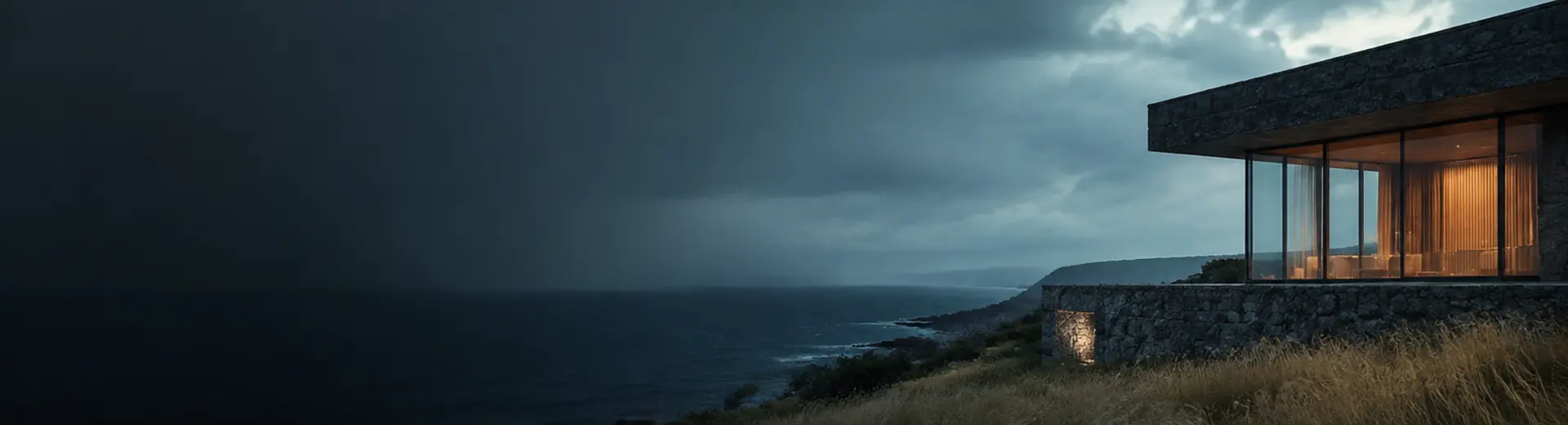
Han's original brushstrokes and the opening of *Nim-ui Chimmuk* bring the poet close, while the concrete-and-glass retreat opens onto Bukcheon stream
A poet's handwriting by the river
Han Yong-un was a Buddhist monk, independence activist and poet whose collection Nim-ui Chimmuk (The Silence of the Beloved) appeared in 1926. At Manhae Village, examples of his brush calligraphy, photographs and books introduce the person behind the poems
The collection holds eighty-eight poems. Its title poem begins: “님은 갔습니다. 아아 사랑하는 나의 님은 갔습니다.” In a literal rendering: “The beloved has gone. Ah, my beloved has gone.” The missing nim might be a person, spiritual truth or a country awaiting freedom. Han joined the March First independence movement in 1919, was arrested and spent years under Japanese colonial imprisonment
The entrance displays a line from Han's independence writing: “Freedom is the life of all beings; peace is humanity's happiness.” His handwritten Pungsang Sewol Yusu Insaeng can be read roughly as “Years of hardship, a life flowing like water.” Near the calligraphy are photographs and books. Through the glass wall, visitors can see a statue of Han and the valley beyond
Why this village was built
Han became a monk at Baekdamsa Temple in 1905. That monastery, deeper in Seoraksan, remained closely associated with his studies and writing. The village named for him is a later memorial, set beside the Bukcheon stream near the road toward the temple
The monk Seorak Musan founded Manhae Village in 2003 as a literary and cultural retreat. Architect Kim Gae-cheon chose exposed concrete and dark stone for the buildings, which received a Korean Institute of Architects award in 2004. The low concrete walls frame patches of mountain and stream; glass beside the museum brings daylight into view of the handwriting, while the Bukcheon river continues below the buildings
A Wall of Poetry preserves work by writers from an international gathering held in the mid-2000s. The village also has writing accommodation, meeting spaces and a Buddhist prayer hall. These facilities are used for residencies and events; the museum provides a shorter self-guided visit
Books, exhibits and a place to write
The permanent literature museum traces Han's life through calligraphy, published works and an illustrated chronology. A second gallery hosts changing displays. Anniversary exhibitions have included early editions and handwritten materials, though individual pieces rotate with the programme
A village that supports writers and readers is a fitting memorial to the man who argued for Buddhist reform, joined the independence movement and found a new poetic language for loss. Nearby Baekdamsa is a separate temple visit with its own seasonal mountain shuttle
Before you go
Manhae Literature Museum is at 91 Manhae-ro, Buk-myeon, Inje. Entry is free; published museum hours are 09:00–17:00, closed Mondays, January 1 and the principal Seollal and Chuseok days. Village accommodation and events have separate reservations. Parking is available
From Dong Seoul Bus Terminal, intercity coaches toward Sokcho via Misiryeong stop at Baekdamsa Entrance. Local bus service for the final stretch can be sparse, making a taxi from Baekdamsa Entrance the simpler option. The village can advise on pickup. The temple shuttle does not serve the museum. For museum enquiries: +82-33-462-2303; village reservations: 1555-1879
- Hours
- Manhae Literature Museum 09:00–17:00, closed Mondays, January 1 and principal Seollal/Chuseok days. Accommodations and other village facilities have separate timetables
- Admission
- Literature Museum entry free; lodging, conference rooms and cultural events require separate reservations and any applicable fees
- Access
- Parking available. Museum displays Han's brush calligraphy and books; museum enquiry +82-33-462-2303, current campus reservations 1555-1879
- Transit
- From Dong Seoul Bus Terminal, intercity coaches bound for Sokcho via Misiryeong stop at Baekdamsa Entrance. Confirm the last local leg to 91 Manhae-ro or take a taxi; the Baekdamsa temple shuttle serves a separate site